
How ChatGPT Understands Your Questions: A Deep Dive into LLMs, Tokenization, and Transformers
Deep dive into how ChatGPT works: tokenization, Transformer architecture, self-attention, and sampling — with real Python code examples and diagrams.
12 articles
Deep dive into how ChatGPT works: tokenization, Transformer architecture, self-attention, and sampling — with real Python code examples and diagrams.
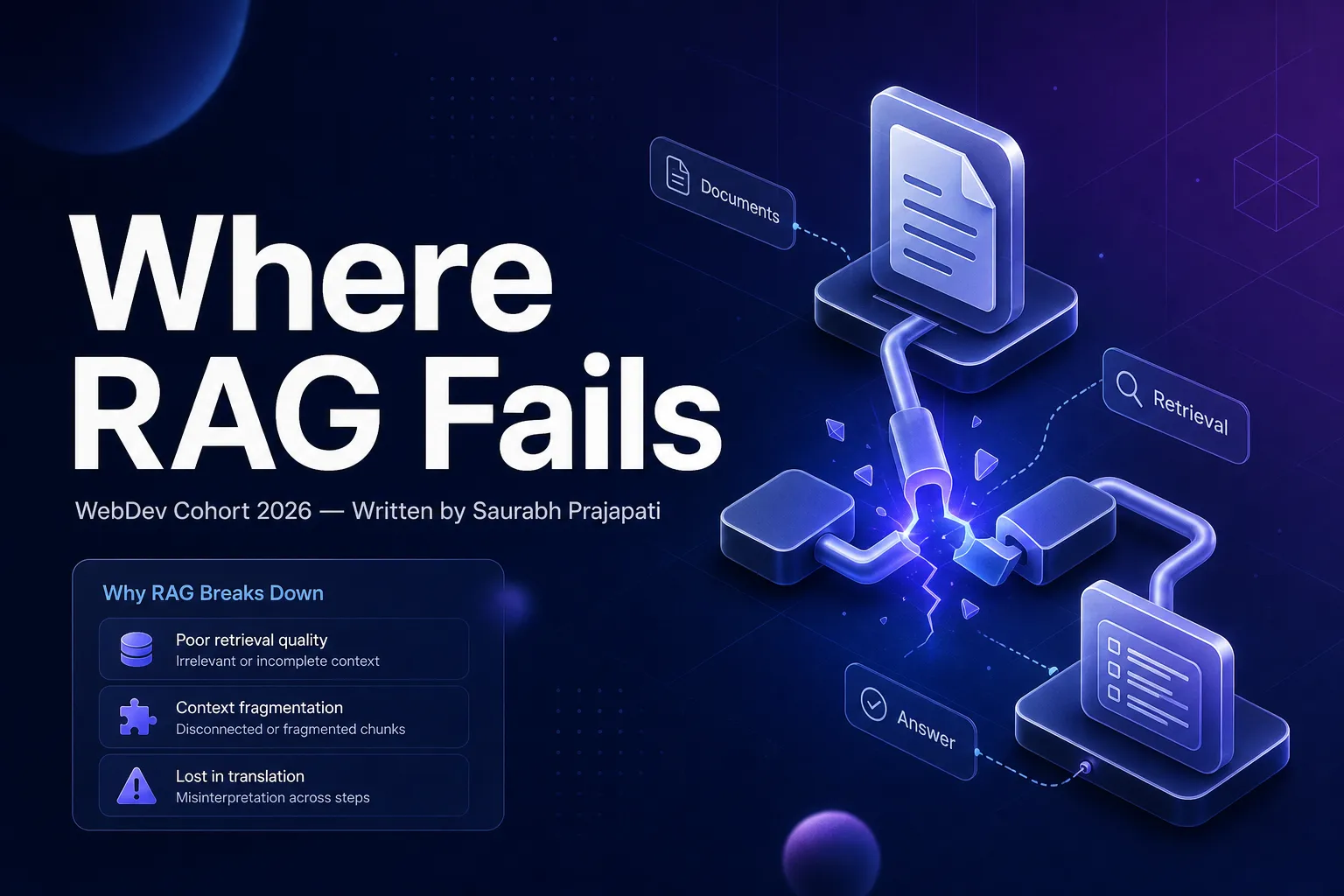
RAG improves LLM responses but doesn't guarantee correctness. Learn the exact failure modes — poor retrieval, bad chunking, hallucinations, and stale data…
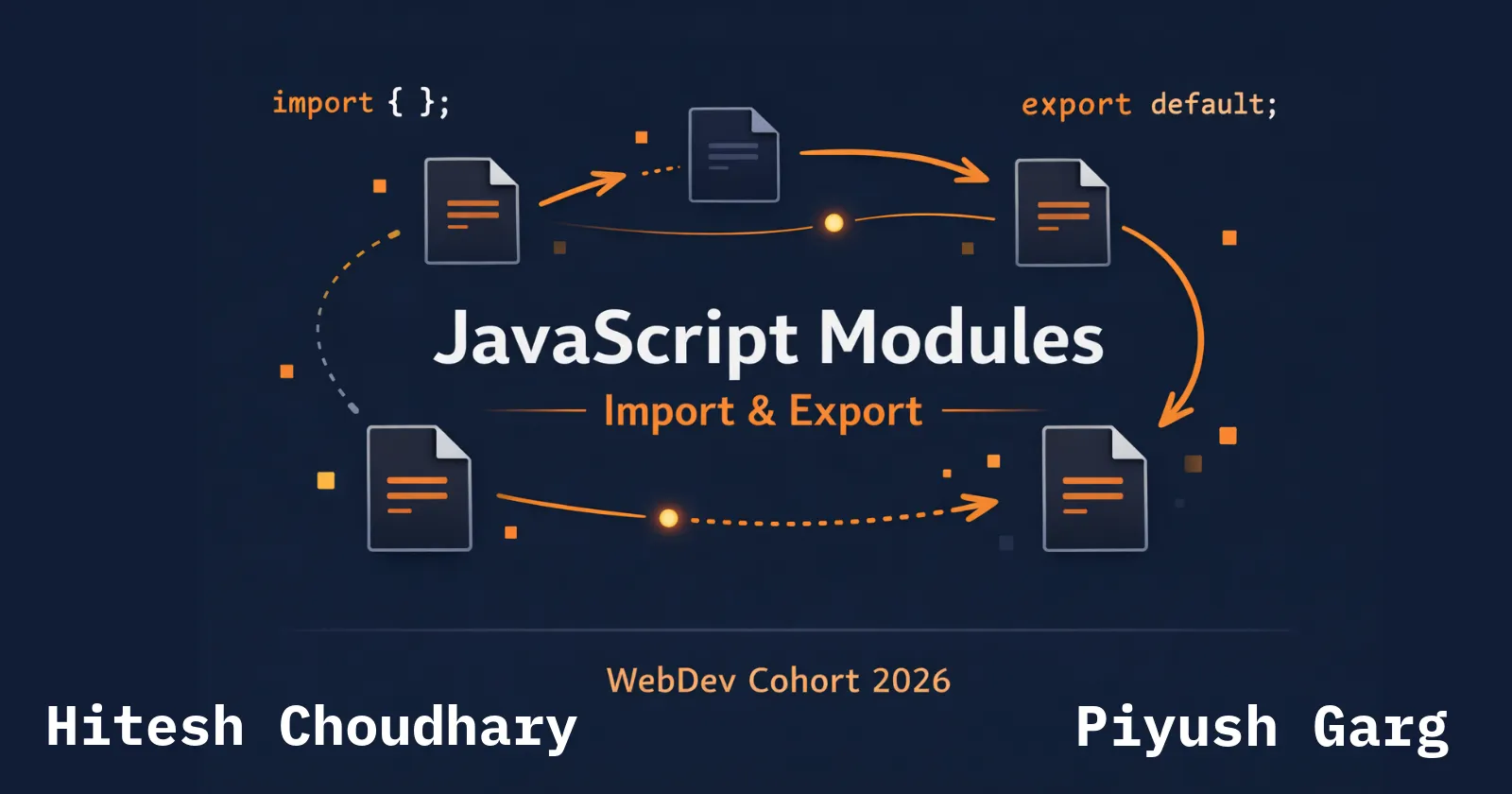
By Saurabh Prajapati · Full-Stack Engineer at IBM India Software Lab · WebDev Cohort 2026 Before we even talk about modules, let me paint a picture of what…
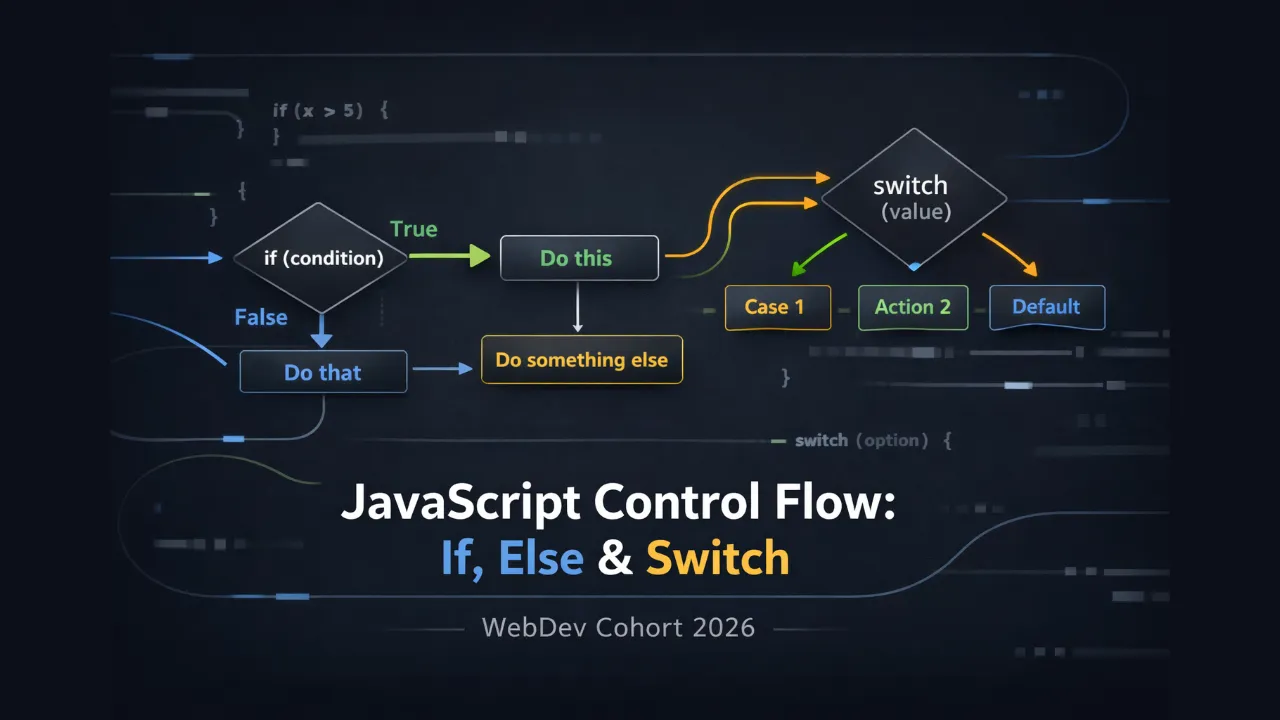
By default, JavaScript reads your code from top to bottom, line by line. But what if you only want certain code to run in certain situations? That's e
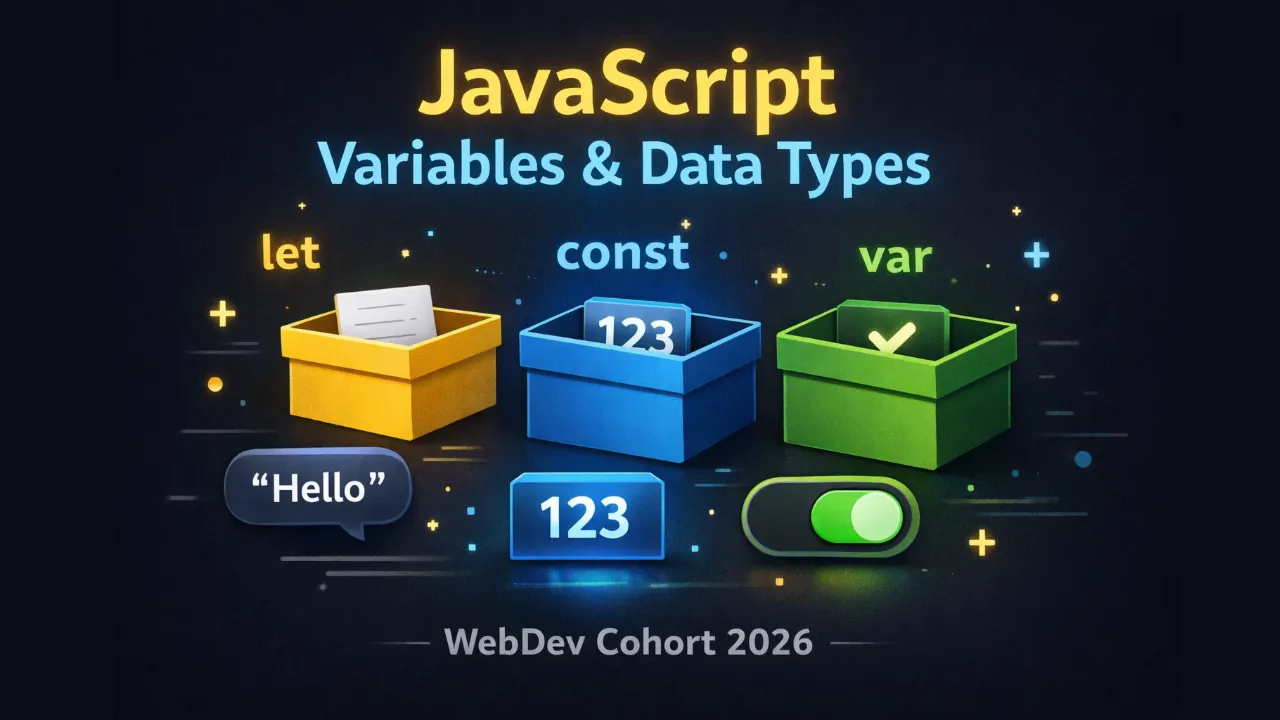
Real-life box analogy to introduce variables intuitively All 3 declaration types (var, let, const) with clear examples and when to use each Comparison
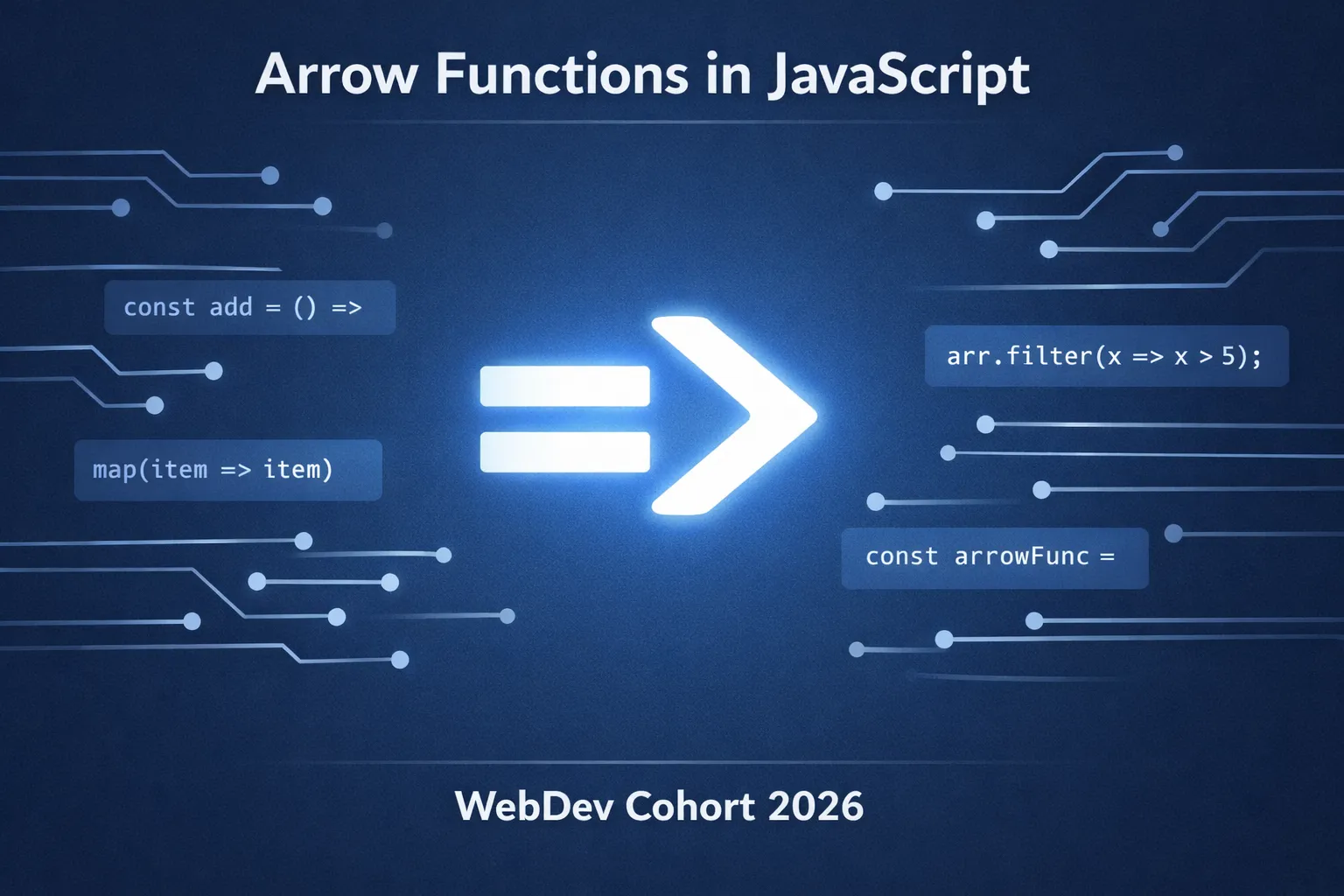
An arrow function is just a shorter, more modern way to write a function in JavaScript. That's honestly all it is. It was introduced in ES6 (2015) and
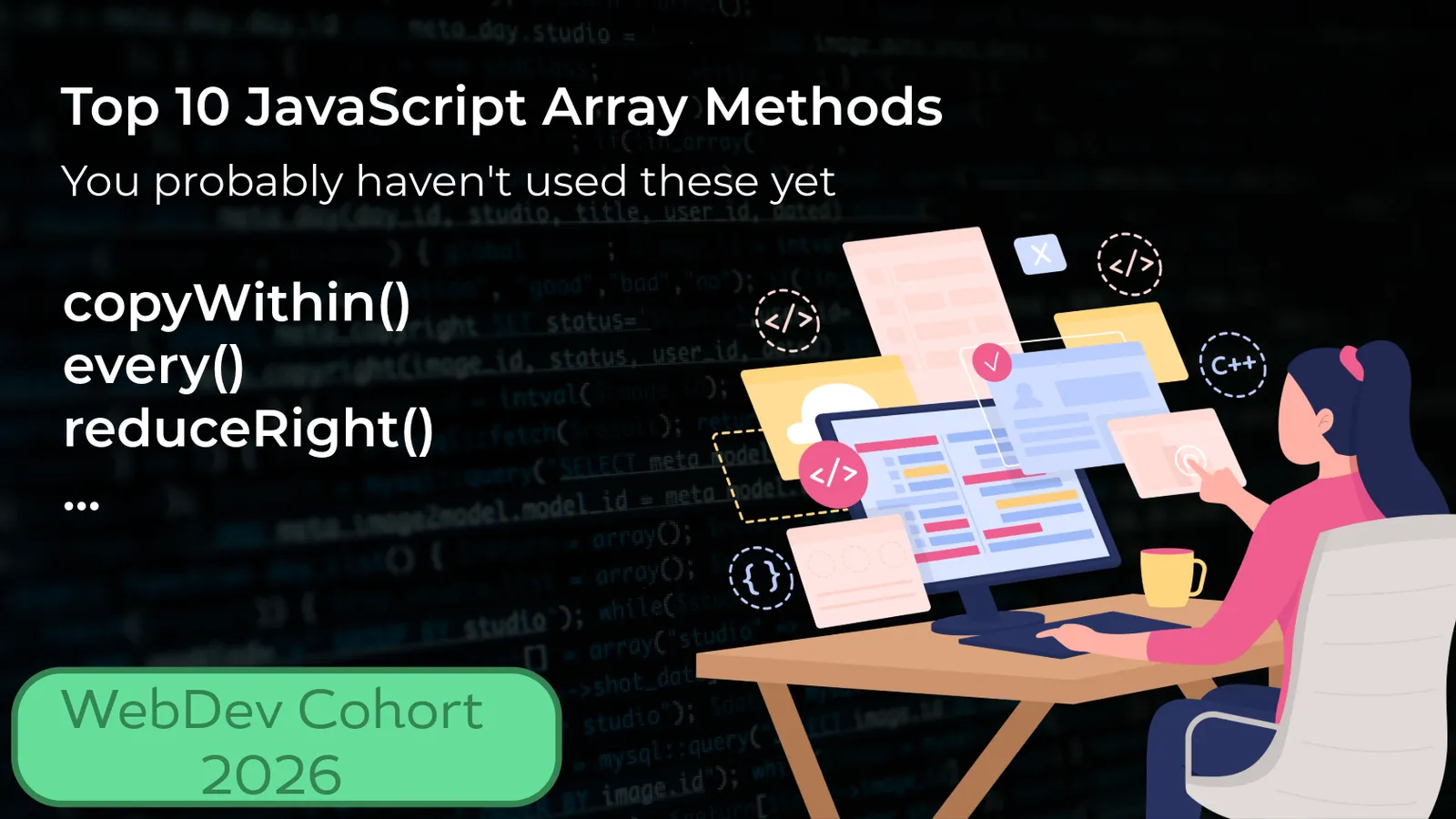
By Saurabh Prajapati | IBM Software Engineer & Full-Stack Developer Before we dive in, let me throw a quick challenge at you. What does this code output?…
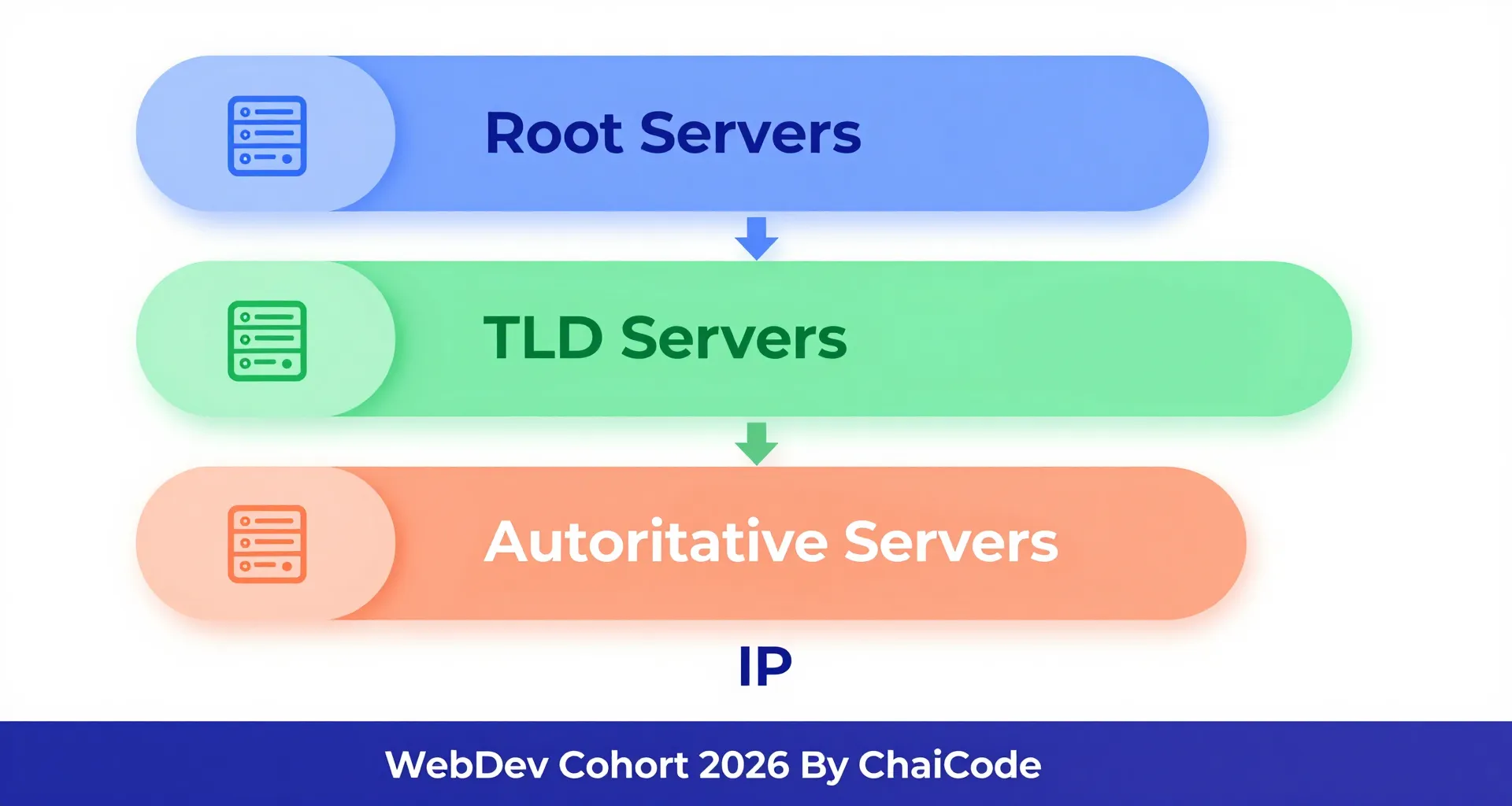
Learn how DNS resolution converts domain names to IP addresses, step by step, with explanations of root, TLD, and authoritative name servers
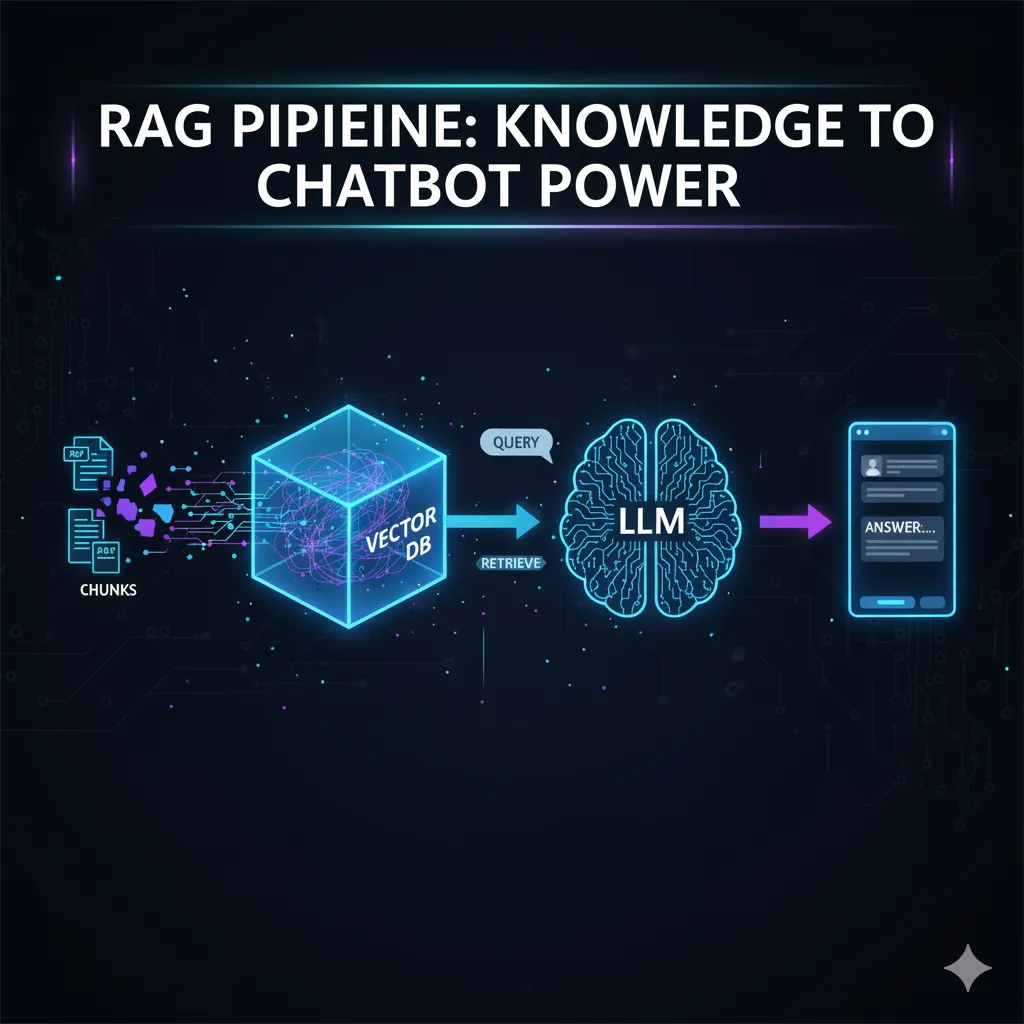
Learn RAG (Retrieval-Augmented Generation) step by step—chunking, embeddings, vector databases, query retrieval, and LLM integration.
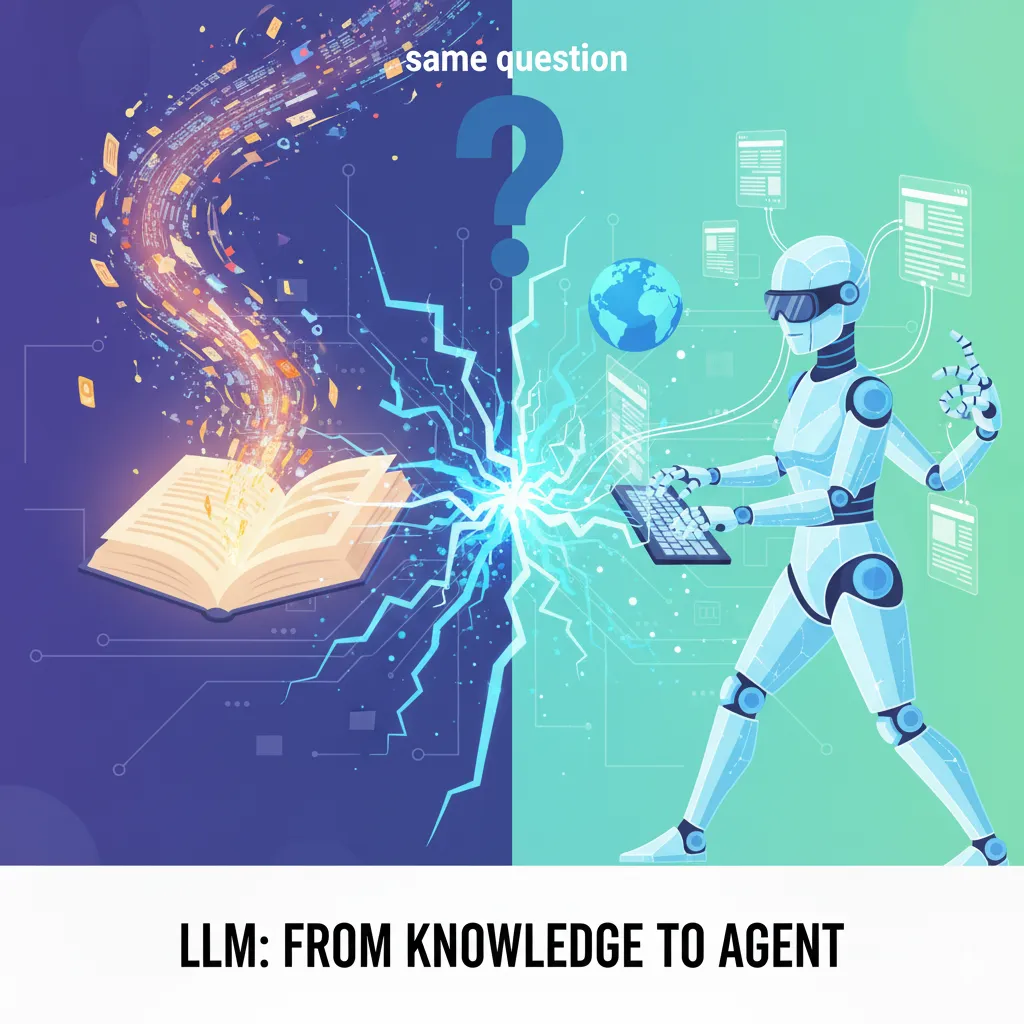
Discover the difference between LLMs and Agents in AI. Learn how Agents extend Large Language Models with tools, memory, and actions to solve real-world…
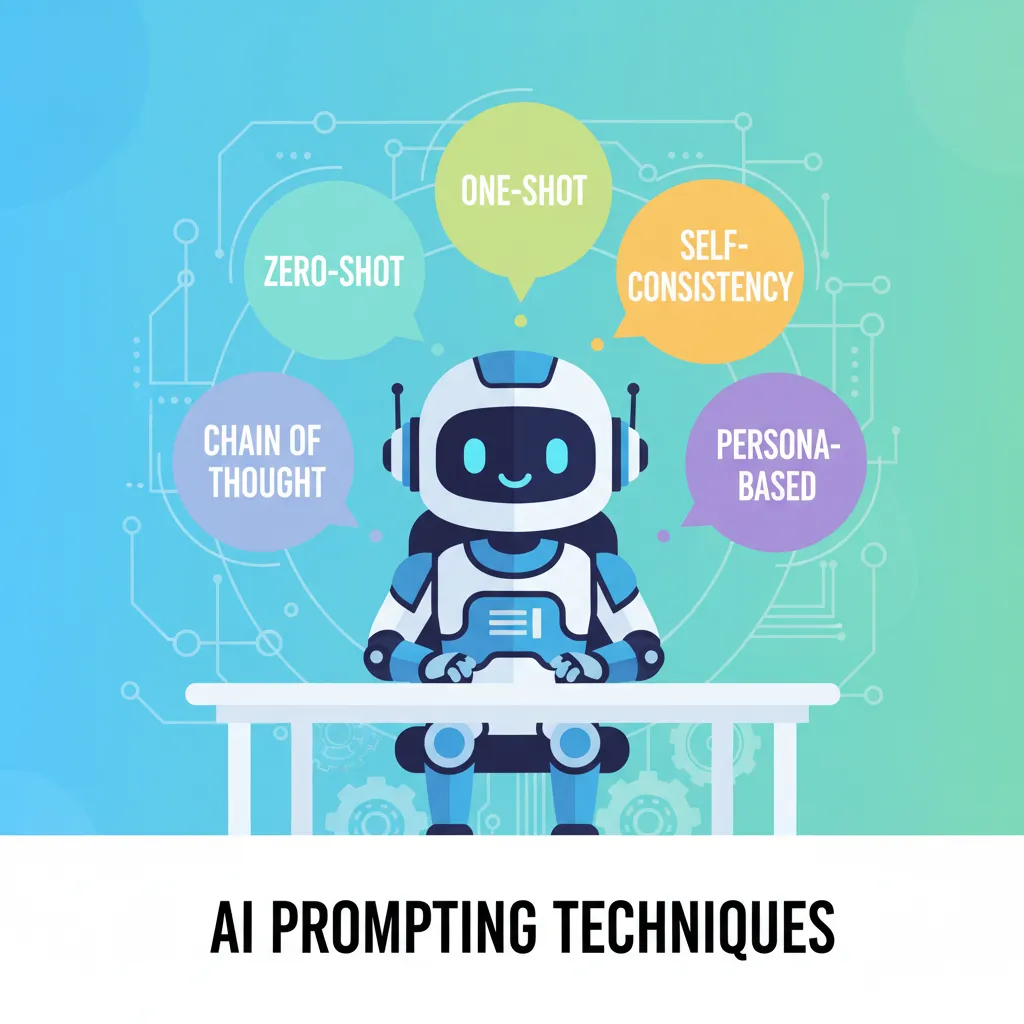
Learn prompting techniques like zero-shot, one-shot, chain of thought, self-consistency, and persona-based with easy examples.
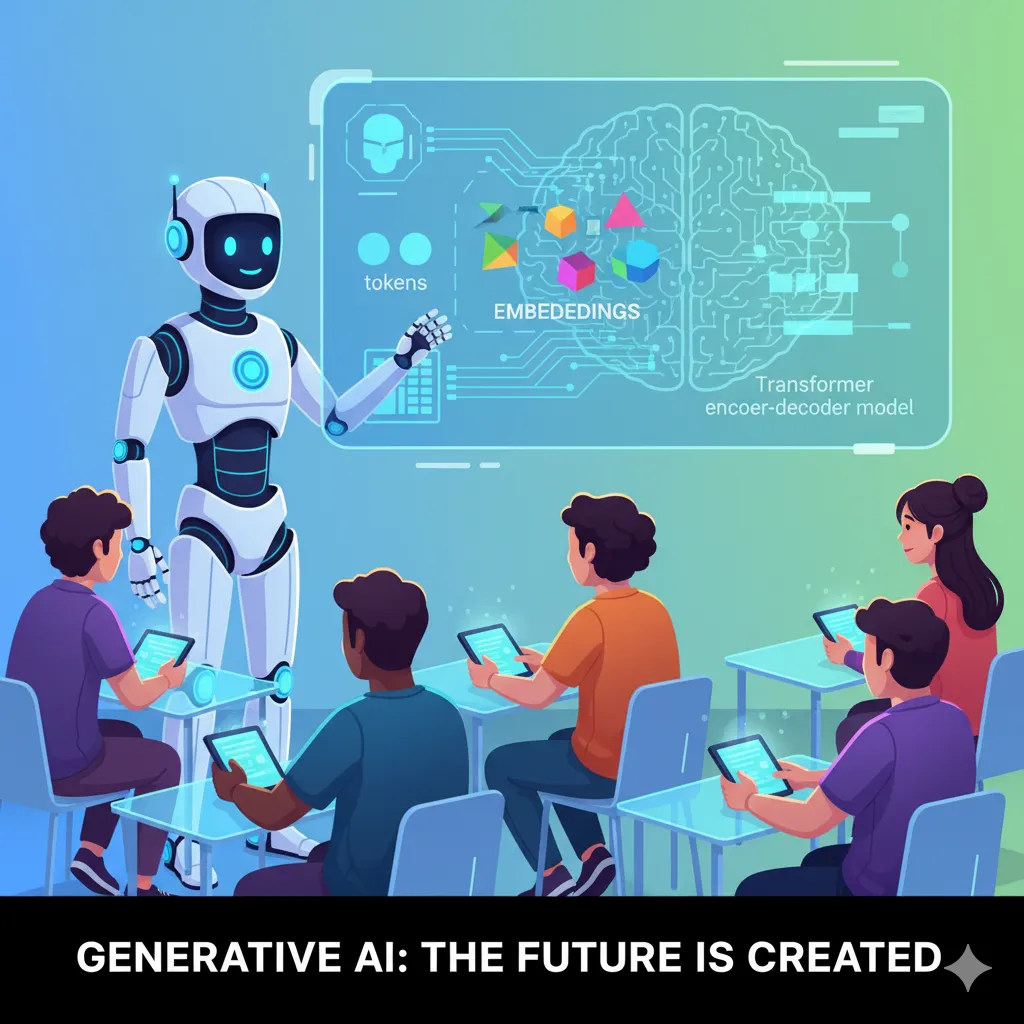
A beginner-friendly guide to Generative AI, GPT, and Transformers for developers, researchers, and ML engineers.