How ChatGPT Understands Your Questions: A Deep Dive into LLMs, Tokenization, and Transformers
Deep dive into how ChatGPT works: tokenization, Transformer architecture, self-attention, and sampling — with real Python code examples and diagrams.
How large language models turn text into tokens and answers, prompting techniques, Retrieval-Augmented Generation (RAG) and where it breaks, and the difference between a plain LLM and an agent that can use tools.
5 articles
Deep dive into how ChatGPT works: tokenization, Transformer architecture, self-attention, and sampling — with real Python code examples and diagrams.
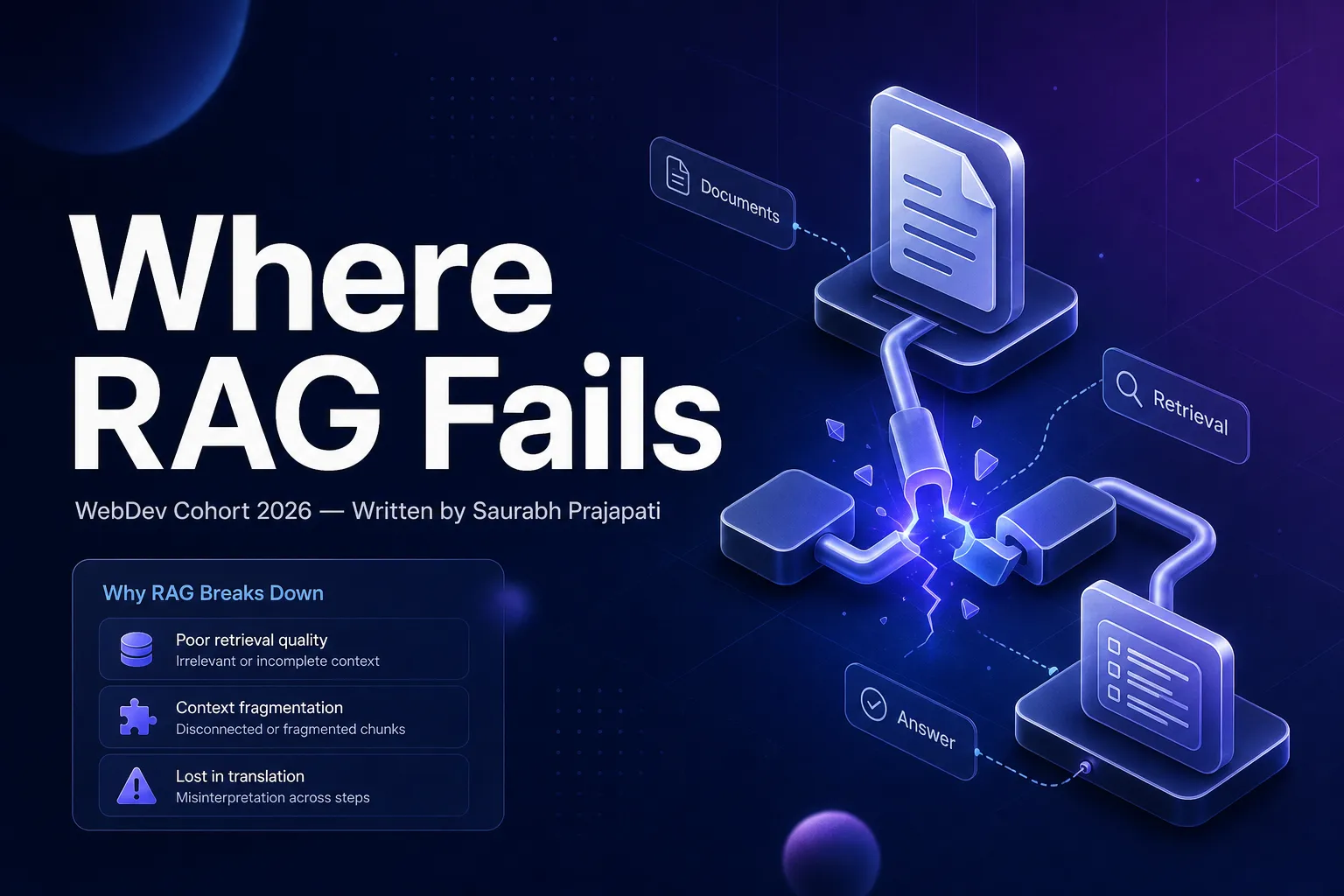
RAG improves LLM answers but does not guarantee correctness. The real failure modes: poor retrieval, bad chunking, hallucination and stale data.
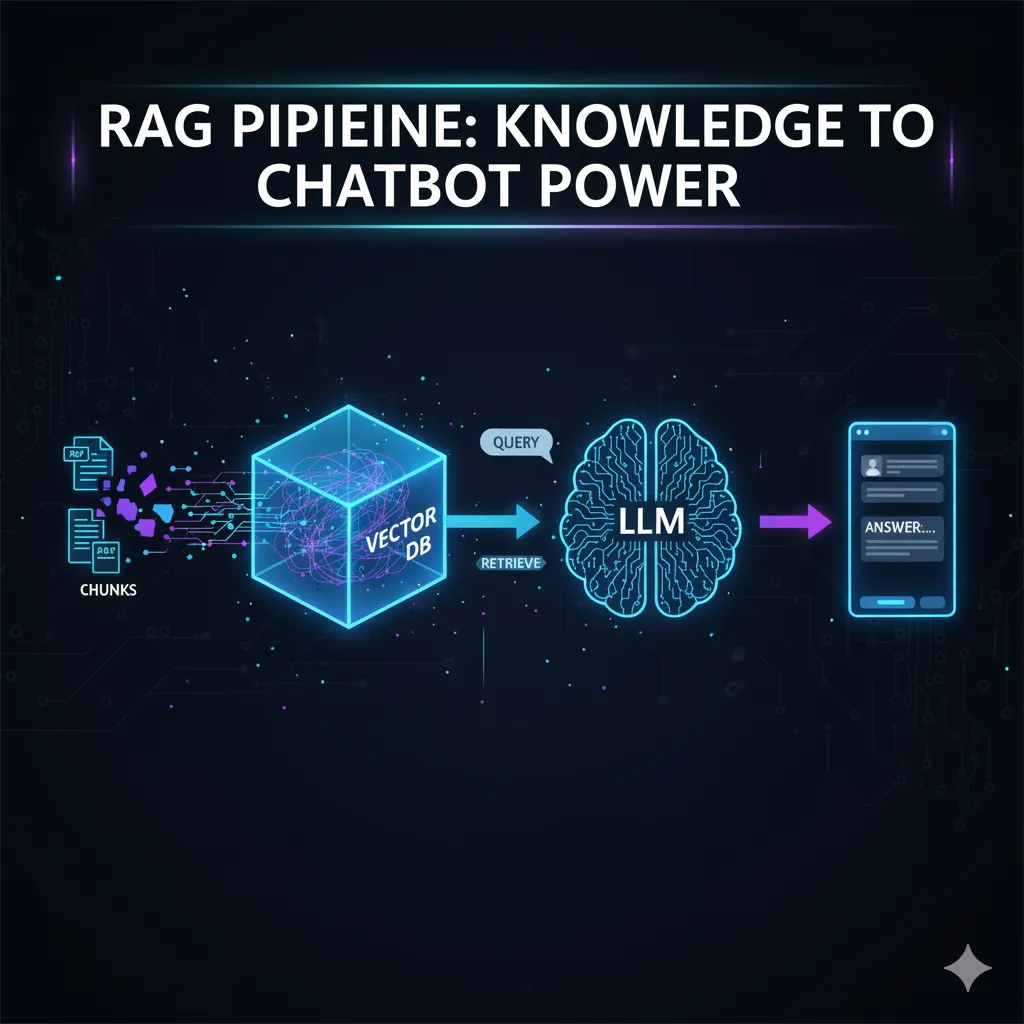
Learn RAG (Retrieval-Augmented Generation) step by step—chunking, embeddings, vector databases, query retrieval, and LLM integration.
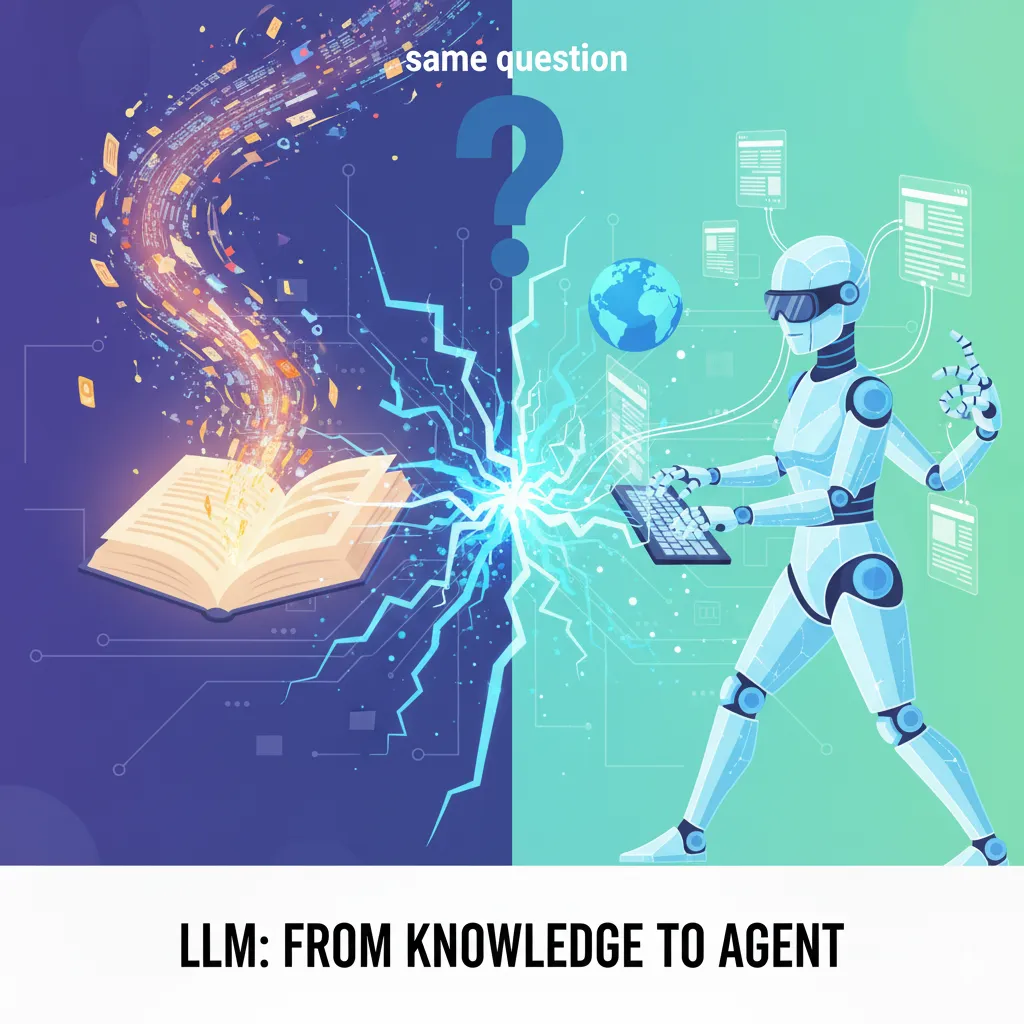
The difference between an LLM and an AI agent: how agents add tools, memory and actions to a language model, with a small agent that fetches news and movies.
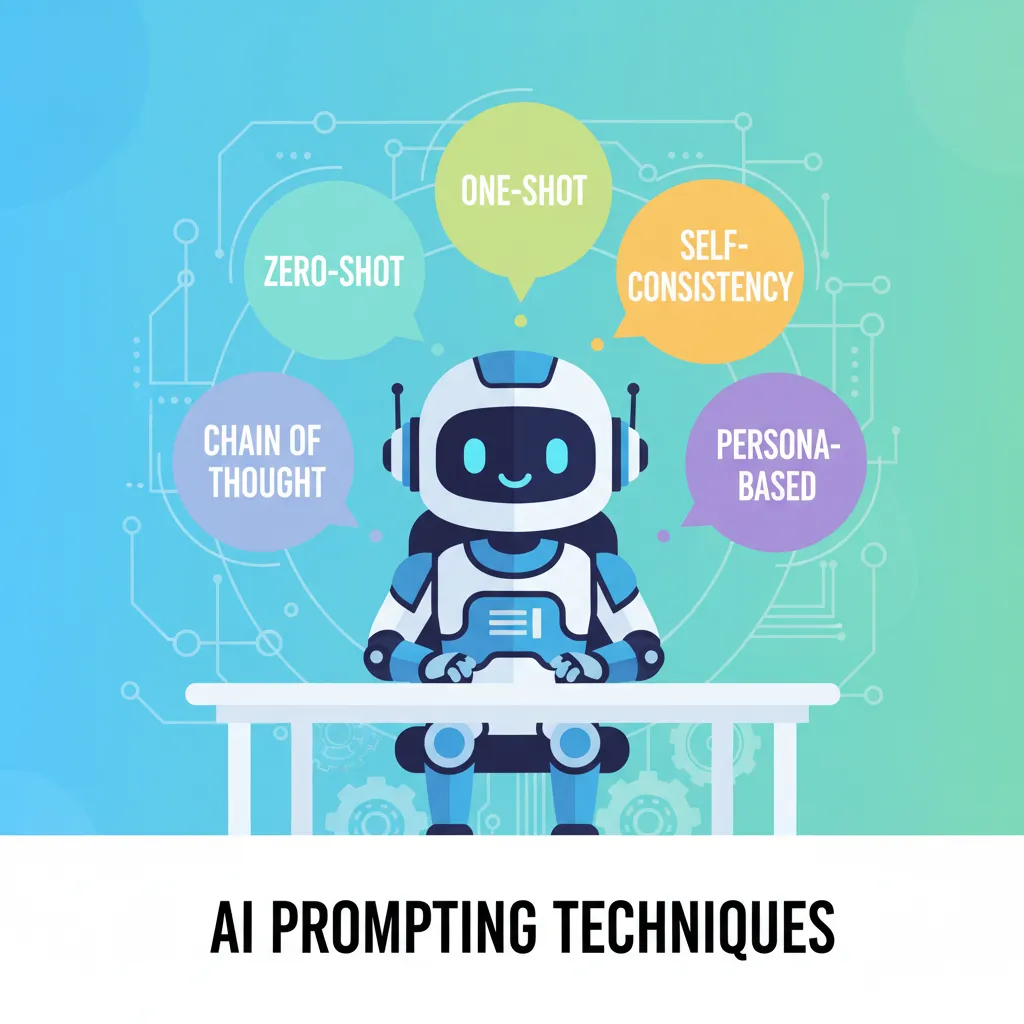
Learn prompting techniques like zero-shot, one-shot, chain of thought, self-consistency, and persona-based with easy examples.